
 Ella Clark
 Why Attachments Matter: Getting the Most from a Pressure Washer
Attachments turn a pressure washer into a versatile cleaning system. They let users boost cleaning speed, protect delicate surfaces, reach high or tight spots, and reduce water and detergent use. The right tool transforms a one-trick machine into a flexible solution for driveways, decks, vehicles, and siding.
This guide compares common attachments head-to-head using clear criteria: cleaning power, surface compatibility, ease of use, durability, and value. Readers will find practical testing methods and direct comparisons to choose the best tools for each task.
It equips homeowners, pros, and DIYers to make smarter purchases, save time, and protect surfaces while achieving professional-looking results in less time and with less waste overall.
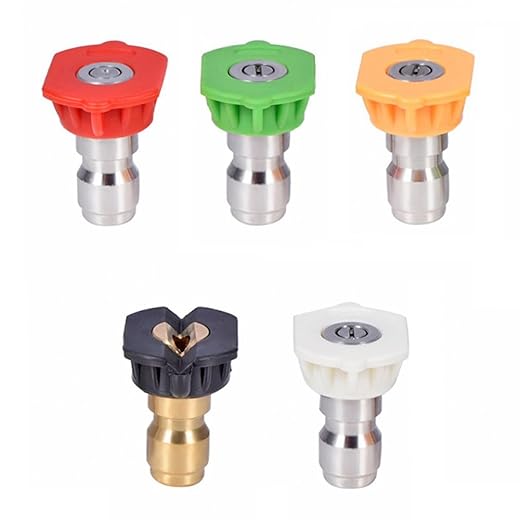


Top 4 Pressure Washer Attachments You Need for Peak Power
How to Evaluate Pressure Washer Attachments: Key Criteria and Testing Methods
What to measure first: compatibility and output
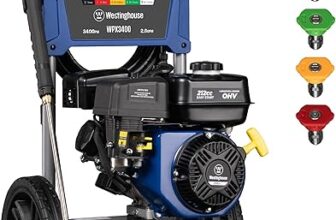
They should begin with matchable, measurable factors: rated PSI and GPM compatibility, nozzle or quick-connect size, and recommended pump type. If an attachment is rated for 3,000 PSI but the user’s washer is 2,000 PSI, performance will be muted; conversely, overpressuring a soft-wash brush risks damage. A quick practical check: confirm fittings (1/4″ vs. 3/8″) and test at the machine’s typical operating pressure.
Spray pattern, impact energy, and surface safety
Spray pattern and impact energy determine cleaning speed and risk of surface damage. They can test this by timing how long it takes to clear a 1 ft² soiled patch at a fixed distance (time-to-clean), then repeating at different nozzle angles or distances. For surface safety, try an inconspicuous spot on wood, vinyl, and painted metal, increasing pressure or moving closer until visible fiber-raising or paint lift appears.
Build quality, corrosion resistance, and maintenance needs
Materials matter: stainless steel, anodized aluminum, and brass fittings outlast cheap plastics in wet environments. A simple durability check: operate the attachment for 20–30 minutes, drain it, then inspect seals and swivel joints for leaks or play. Note how easy it is to replace worn O-rings and clean inlet screens.
Ease of use and ergonomics
They should judge how quickly an attachment connects, whether adjustments are tool-free, and how its weight/handle balance affects fatigue. Real-world methods include back-to-back tasks—cleaning a driveway strip, then a car hood—to compare hand and arm strain.
Repeatable comparison tests
Use these standardized tests:
These objective measures make it clear which tools truly outperform rivals in later sections.
Nozzles and Wands: The Fundamental Tools That Shape Cleaning Performance
How angle and orifice size govern power and coverage
Nozzle angle and orifice diameter are the first determinants of cleaning performance. A narrow-angle tip (0°–15°) concentrates water into a tight jet for stubborn stains and paint removal; a wide-angle tip (25°–40°) spreads the flow for faster, safer surface coverage. Orifice size controls flow relative to the washer’s GPM—undersized orifices choke performance, oversized ones waste water and reduce impact. In practice, a 25° nozzle often balances speed and safety for general cleaning, while a 0° or turbo tip is reserved for patches or heavy grease.
Fixed-angle vs. adjustable rotating wands and quick-connect systems
Fixed-angle nozzles are simple, cheap, and predictable—ideal for repeat tasks. Adjustable rotating wands and turbo/tornado tips add impact through a spinning jet and cut cleaning time on concrete, but they demand more care. Quick-connect systems (1/4″ vs. 3/8″) speed swaps and reduce leaks; they should match the pump’s fittings to avoid pressure loss.
Compatibility and surface-safety: match PSI, GPM, and distance
They should always match nozzle choice to the washer’s PSI and GPM. Using a narrow tip on a low-GPM unit gives disappointing results; using a high-impact tip too close can etch wood, strip paint, or pit concrete. A simple rule: start wide, test at arm’s length, and move closer only after testing an inconspicuous spot.
Maintenance tips to prevent clogging
Recommended setups for common jobs
Next, they will explore how surface cleaners and rotary attachments scale this basic nozzle logic into rapid, even cleaning for larger areas.
Surface Cleaners and Rotary Attachments: Speed and Consistency for Large Areas
What they are and why they matter
Surface cleaners (circular housings with twin spinning bars) and rotary/turbo heads turn the point-attack logic of a single wand into broad, uniform cleaning. Where a wand streaks, a 16–24″ surface cleaner covers evenly and often halves the job time—think a two-car driveway done in the time a wand takes to do one lane.
Design variations that change the game
How RPM, nozzle layout and cleaning width interact
Higher RPM on the internal swivel delivers higher impact per square inch but can reduce dwell time; nozzle spacing and opposing jets create “lanes” that define effective cleaning width. A 16″ dual-rotor with 0.035″ nozzles at 2.5 GPM per nozzle typically clears oil and mildew faster than a single turbo tip because it maintains coverage and contact time across the whole swath.
Maneuverability and splash control in practice
Lightweight 12–16″ cleaners excel around patios and tight walks; heavier 20–24″ units cover open driveways. Rubber skirts and a skirt skirt-seal reduce blowback—important when cleaning next to cars or garage doors. Operators often set wand height and walk speed to keep edges clean without reworking.
Durability, maintenance and tips
When to pick surface cleaner vs turbo nozzle
Surface cleaner: large flat horizontal areas, minimal streaking, fastest coverage.
Turbo nozzle: tight corners, vertical surfaces, spot repairs, or when the machine’s GPM can’t support a wide cleaner.
Brushes, Scrubbers, and Soft-Wash Tools: Combining Mechanical Action with Pressure
Why combine bristles with chemistry?
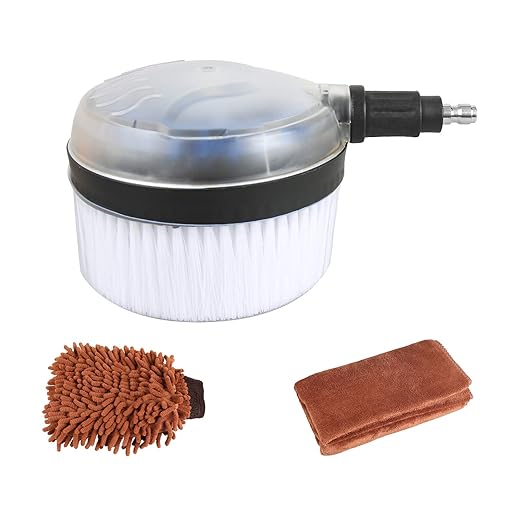
Mechanical agitation lifts soils that pressure alone cannot—think oil-saturated concrete, oxidized deck boards, or caked-on road grime on a truck. Brushes, fixed bristle heads and foam pads multiply the effect of detergents by increasing contact area and agitation while reducing the need for extreme pressure. Rotating brushes dislodge grit; foam pads hold chemistry against the surface for longer dwell times.
Heavy-duty vs. soft-bristled choices
Motorized and battery-assisted scrubbers
Motorized heads (belt- or gear-driven) and battery-assisted handheld scrubbers greatly cut operator fatigue and increase consistent agitation—useful for fleet washing or long deck runs. They typically run at controlled RPMs to avoid over-agitation; battery models offer portability for fence lines and remote roofs. Operators report halved scrub times versus manual brushing on textured wood.
How to avoid surface damage — practical technique
Care and maintenance tips
Reach and Control: Extension Wands, Telescoping Lances, and Safety Accessories
Telescoping wands — extend carefully
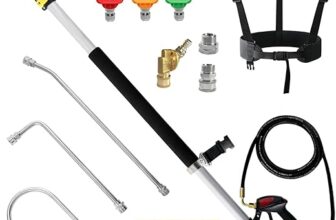
Telescoping wands let operators reach eaves, gutters and high siding without ladders, often eliminating risky climbs on single‑story jobs. But longer shafts change fluid dynamics: every additional foot can slightly reduce pressure at the tip and amplify shaft whip. They work best when rated for the washer’s PSI and flow; a 20‑foot reach that isn’t rated for 3,000 PSI is a liability, not an asset.

Handling torque and flow stability
When a long lance is fitted, torque from the high‑velocity spray tries to twist the wand and fittings. Swivel couplers and rigid, larger‑diameter inner bores improve stability and reduce turbulence. Turbo nozzles and rotary tips increase lateral forces — operators should use a two‑handed stance and choose rigid‑core lances for aggressive attachments to prevent loosening or wrist strain.
Ergonomics: reduce fatigue, stay precise
Ergonomic handles, anti‑vibration mounts and insulated grips make extended work tolerable. Swivel pistol grips prevent wrist torque; rubberized insulated grips keep hands comfortable in cold water. Anti‑vibration dampers between gun and lance cut hand‑arm vibration — crews report noticeably less fatigue over long siding runs when using these features.
Safety add‑ons and routine inspections
Key safety items: pressure relief (bleeder) valves, wand locks, dead‑man triggers and insulated tips for chemical work. Establish a quick pre‑job checklist:
Choosing lengths and materials — practical tips
Prefer aluminum for lightweight reach, stainless or carbon‑reinforced tubes for high‑pressure stability. Start with the shortest extension that avoids ladders; add length only when rated for the PSI and accessory in use. With proper selection and daily checks, reach accessories multiply productivity without sacrificing safety or control.
Specialty Attachments: Foam Cannons, Turbo Nozzles, Water Reclaimers and Niche Tools
This section inspects high-impact, task-specific accessories that frequently outperform generic nozzles for focused jobs—detailing, paint prep and regulated job sites. It compares effectiveness, required pressure/flow, cost-per-use, compatibility and routine upkeep so buyers know when a specialty purchase makes sense.
Foam cannons and soap injectors
Foam cannons deliver thick suds that dwell longer, improving dirt loosening on cars, RVs and vinyl siding. They typically work best with 1.5–4.0 GPM and 1,000–2,500 PSI; low-flow electric washers may need a dedicated injector or pump to foam well. Maintenance is simple but essential: inspect seals and the siphon tube, clean nozzles after detergent use, and winterize to prevent cracks.

Turbo and rotary nozzles
Turbo (rotary) tips concentrate and oscillate a narrow jet for rapid, localized removal of paint, scale and heavy grime. They shine on concrete and metal but can damage softer materials. Expect best results at 2,000+ PSI and 2–4 GPM. Common wear points are the bearings and rotor; regular lubrication and bearing replacement extend service life. Cost-per-use is low for contractors because durability offsets the higher upfront price.
Water reclaimers and job‑site systems
Reclaim systems capture and filter runoff to meet local discharge rules. Commercial units vary from portable 50–100 GPM skids (Hydro Tek/Dustless models) to trailerized systems. Key costs: rental vs purchase, filter replacement and pump maintenance. For regulated sites, buying or renting a reclaimer is often cheaper than fines and cleanup liabilities.
Other niche attachments and value guidance
Buy specialty items when they match recurring tasks or generate billable savings; otherwise, rent. With maintenance routines in place and correct PSI/GPM matching, these tools often outperform standard attachments in their niches.
Next, the article will synthesize selection strategies in the Conclusion.
Making the Right Attachment Choices
They should prioritize compatibility with the machine, match attachments to surface and task, and weigh durability and ease of maintenance against upfront cost. Evaluation criteria—cleaning pattern, flow and pressure handling, build quality, and real‑world testing—remain the decisive factors when choosing between nozzles, surface cleaners, brushes, extensions, and specialty tools.
For best results, they are advised to shortlist promising attachments and test them under their own conditions, or rent high‑cost specialty tools before purchasing. By focusing on fit, function and long‑term value, readers will build a compact, effective attachment kit that delivers consistent, safe cleaning and reduces costly replacements. They may consult independent reviews and local dealers for hands‑on advice before making a final purchase decision.


Honest take: turbo nozzles are exhilarating but noisy. If you live in an apartment complex or have neighbors, be mindful. Also, Twinkle Star tip sets are handy — but I lost three tips within a year (dropped them in the grass lol). Magnetic holders are underrated.
Haha, same — now I keep a labeled tin box in the garage.
Honestly, the Melnor RelaxGrip 16-Inch pivoting wand is underrated. Makes around-pillar cleaning easier and saved my wrists during the house siding cleanup. The article’s reach and control section nailed the ergonomics point.
But small gripe: the pivot lock felt a bit loose on mine after a season. Anyone else had wear issues?
Added a note to the article: check pivot joints annually, and consider swapping small OEM fasteners for higher-grade stainless if you expect heavy use.
For those who love gadgets: is the Tool Daily Deluxe Multi-Length Pressure Washer Gun compatible with common extensions like Melnor wands? I hate buying gear that doesn’t mate together. 🤦♀️
Not gonna lie, I expected more on the niche tools — water reclaimers, for instance, are more common in commercial setups. The article touched on them but seemed light on real-world pros/cons and costs. Anyone used a reclaim unit with a homeowner pressure washer setup?